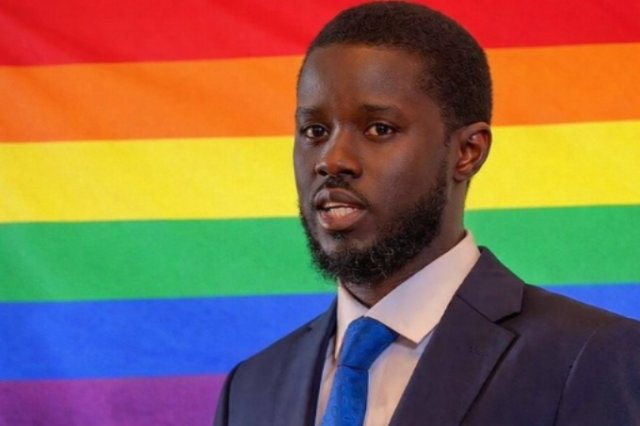
Senegal Prime Minister Ousmane Sonko has formally introduced a new bill in parliament seeking tougher penalties for same-sex relations.
The proposal, which was approved by the cabinet before being tabled in the National Assembly, aims to amend existing legislation that already criminalises same-sex relations in the country. If passed, the revised law would increase the maximum prison sentence from five years to 10 years.
While presenting the draft, Sonko said the bill defines same-sex relations as “acts against nature.” Under the proposed amendments, individuals found guilty could face between five and 10 years in prison, compared to the current penalty range of one to five years.
The draft also proposes heavier consequences in cases involving minors, with offenders facing the maximum sentence. In addition to imprisonment, convicted individuals could be fined up to 10 million CFA francs (approximately 18,000 US dollars).
Beyond direct involvement, the bill outlines penalties for those accused of promoting or advocating same-sex relations. Such offences could carry prison terms of between three and seven years. However, the draft also includes provisions to punish individuals who falsely accuse others of homosexuality without evidence.
The proposal comes amid heightened enforcement of existing laws. Earlier this month, authorities detained 12 men, including two public figures and a journalist. Local reports suggest that roughly 30 people have been arrested in connection with alleged same-sex relations during the same period.
Debate over LGBT rights has long been sensitive in Senegal, which is widely regarded as socially conservative. Religious groups have staged demonstrations in recent years calling for stricter measures, while human rights organisations have raised concerns about increased crackdowns and the broader implications for civil liberties.
The bill now awaits parliamentary debate and a vote. If approved, it would significantly tighten the country’s legal stance on same-sex relations, intensifying an already polarising national discussion over cultural values, legal reform, and human rights.