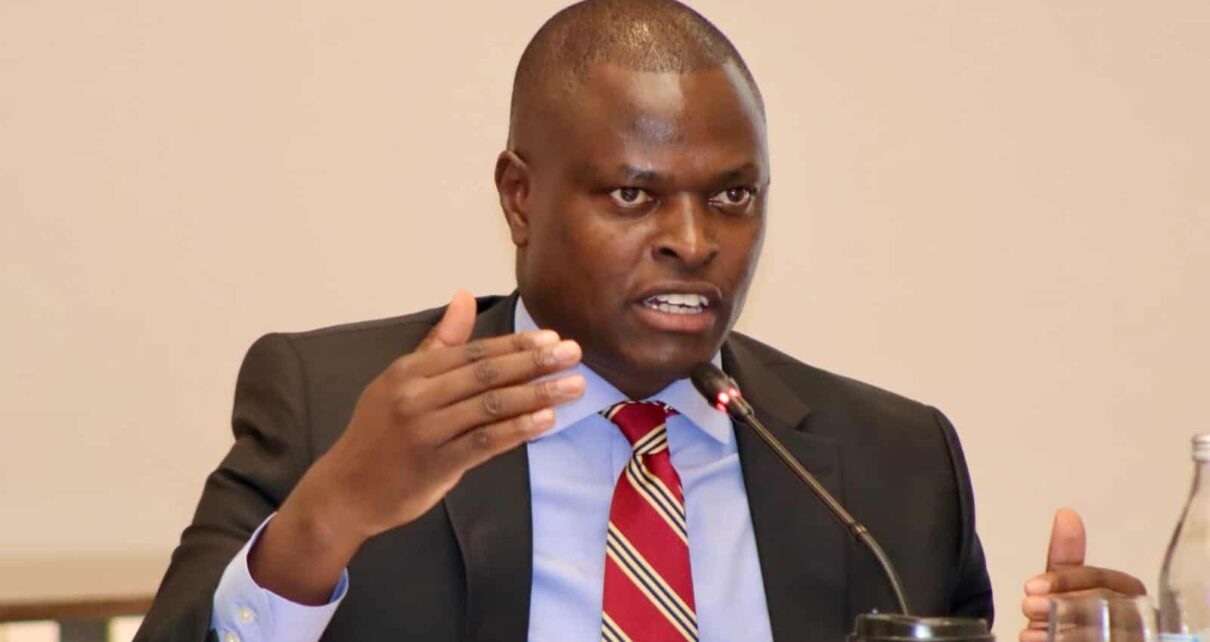
Kiharu MP Ndindi Nyoro has reignited debate on education financing after proposing that secondary education be made fully free across Kenya. His plan includes the creation of a national fund dedicated to supporting day secondary schools and ensuring that learners are provided with meals, a move he says would significantly reduce the financial burden on parents and improve access to education.
At the heart of Nyoro’s proposal is the recognition that while primary education is largely free, many families still struggle to meet the hidden and direct costs of secondary schooling. Fees, uniforms, learning materials, and meals continue to lock out thousands of students, particularly from low-income households. By targeting day secondary schools through a dedicated fund, the proposal aims to keep learners closer to home while cutting costs associated with boarding facilities.
The inclusion of meals in the plan has also drawn attention, as hunger remains a major barrier to effective learning. Providing meals at school could improve attendance, concentration, and overall academic performance, especially in marginalized and food-insecure areas. Supporters argue that a well-fed student is more likely to stay in school and perform better, making school feeding programs an investment rather than an expense.
Critics, however, have raised questions about sustainability and funding. Establishing a national fund would require clear oversight, accountability, and long-term financial planning to avoid mismanagement. There are also concerns about whether the government can consistently finance such a program without straining the national budget or compromising quality in education delivery.
Even so, Nyoro’s proposal has struck a chord in a country where education is widely seen as the surest path out of poverty. By pushing for fully free secondary education, the debate shifts toward equity, opportunity, and the role of the state in leveling the playing field for all learners. The idea challenges policymakers to rethink priorities and explore innovative ways of ensuring that no child is denied education simply because of cost.