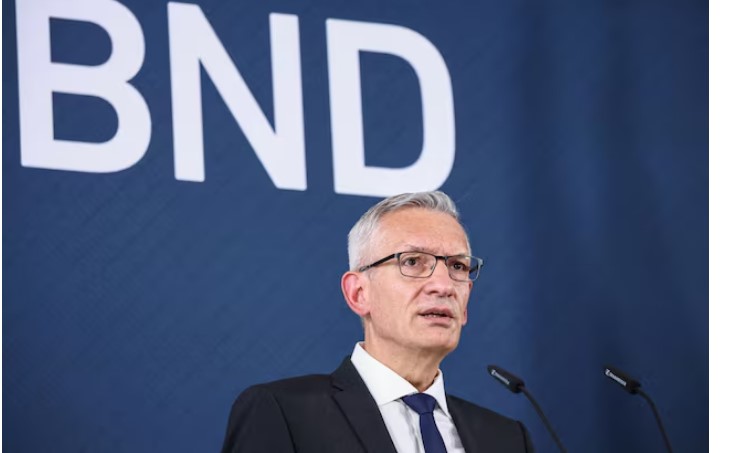
Germany’s intelligence apparatus is facing increasing pressure to respond effectively to a rapidly evolving threat landscape, and the country’s top spy chief has called for greater operational freedom for national security agencies. In a statement to lawmakers and security experts, the head of Germany’s foreign intelligence service emphasized that emerging threats—including cyberattacks, espionage, and foreign influence campaigns—require faster decision-making, expanded surveillance powers, and increased flexibility in operations. The call reflects both the intensifying challenges Germany faces and the ongoing debate over the balance between national security and civil liberties.
The demand for expanded operational authority comes amid heightened concerns over geopolitical tensions in Europe. Russia’s ongoing aggression in Ukraine, the strategic ambitions of China, and growing cyber threats targeting critical infrastructure have forced European intelligence agencies to rethink their capabilities. Germany, as one of Europe’s largest economies and a central actor in the European Union, has become a prime target for sophisticated espionage operations, highlighting the need for intelligence services to operate proactively and decisively.
At the same time, Germany’s intelligence community operates under stringent legal frameworks designed to protect citizens’ rights and privacy. The spy chief’s appeal for more operational freedom underscores the tension between the need for rapid, sometimes covert responses to national security threats and the country’s commitment to democratic oversight. Lawmakers have acknowledged this challenge, emphasizing that any expansion of powers must be carefully regulated to avoid abuse while ensuring that agencies can respond effectively to threats in real time.
Cybersecurity has emerged as a particularly pressing concern. Germany’s critical infrastructure, including energy networks, financial systems, and government communications, is increasingly targeted by foreign actors. These attacks not only threaten national security but also have economic and social ramifications. The spy chief warned that without greater operational flexibility, Germany risks lagging behind in identifying and neutralizing emerging threats, leaving the country vulnerable to espionage, sabotage, and foreign interference.
In addition to external threats, domestic security challenges, including the rise of extremist movements and foreign influence campaigns, have underscored the need for more agile intelligence operations. By granting operational freedom, Germany aims to improve real-time monitoring, rapid response, and strategic coordination across government agencies. This approach, while controversial, is increasingly seen as essential in a complex, interconnected security environment where delays can have severe consequences.
Germany’s call for expanded operational freedom reflects the growing complexity of modern threats and the need for intelligence agencies to act decisively and efficiently. Balancing security and civil liberties remains a delicate task, but the evolving geopolitical landscape, the rise of cyber and hybrid threats, and the persistent risks of espionage make it imperative that Germany’s intelligence services are equipped with the tools and autonomy required to safeguard national interests. By navigating this balance carefully, Germany seeks to strengthen its resilience while maintaining the democratic values that define its governance.


