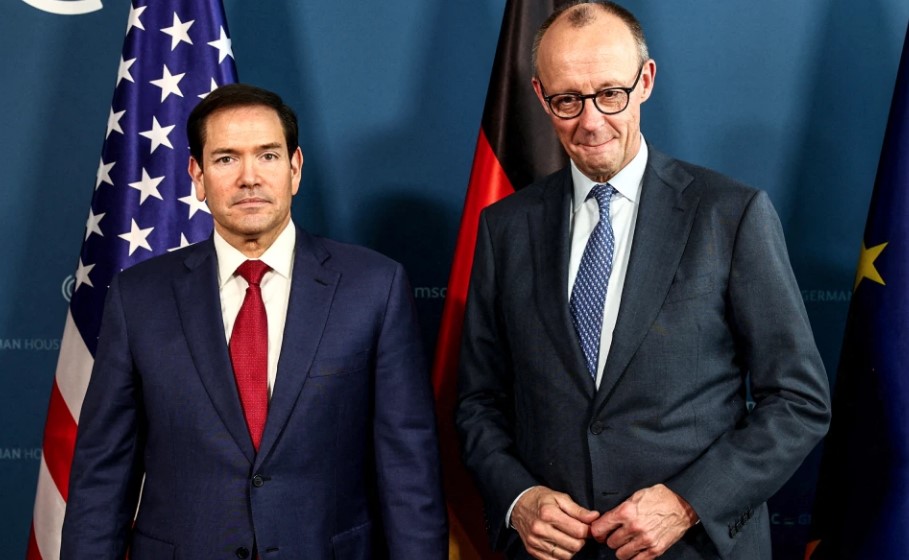
At the 62nd annual Munich Security Conference in February 2026, German Chancellor Friedrich Merz delivered a high‑profile address focused on the state of transatlantic relations and the evolving geopolitical landscape. Merz used his opening speech to warn that a deepening rift had emerged between Europe and the United States, reflecting broader tensions that have built up over the past year. This division was highlighted in part by controversial remarks from U.S. politicians, including Vice President JD Vance at last year’s conference, that strained traditional alliances and challenged longstanding commitments to shared values and collective security. Merz acknowledged these differences but framed them as an urgent call for a “new transatlantic partnership” to address shared global challenges.
Merz emphasized that in an era of intensifying great‑power competition, neither Europe nor the United States can afford to act alone. He pointed out that the security environment has shifted far beyond the post‑World War II order, and that cooperation — particularly within the framework of the North Atlantic Treaty Organization (NATO) — remains essential to confronting threats ranging from Russia’s war in Ukraine to rising global instability. According to Merz, NATO is not just Europe’s defensive backbone; it is also a strategic advantage for the United States, and strong transatlantic ties benefit both sides. He stressed that reviving transatlantic trust should be a shared priority, arguing that collective strength and mutual support are more effective than unilateral approaches in preserving security and democratic values.
The speech also included implicit criticism of elements of the U.S. political landscape, particularly policies associated with former President Donald Trump and the Make America Great Again (MAGA) movement. Merz made it clear that Europe does not share the same political direction and cultural debates taking place in the United States, while reaffirming a commitment to multilateral cooperation, free trade, and global institutions. He said that even the United States, the world’s most powerful military actor, lacks the capacity to secure a stable international order without strong allies. This message underscored a recognition by European leaders that, despite disagreements, collective action through alliances remains indispensable in addressing contemporary geopolitical challenges.
Merz’s address at Munich reflected broader European concerns about strategic autonomy and the evolving nature of the transatlantic partnership. By urging both sides to repair and revive trust, he sought to shift the narrative from division toward renewed cooperation. His remarks set the tone for much of the conference’s discussions, which centered on how Europe and the United States can adapt their partnership to meet the demands of a changing global order