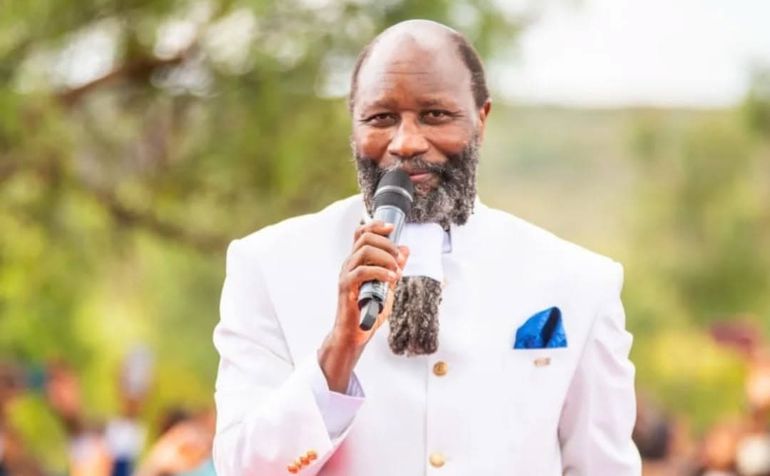
Prophet David Owuor has stated that he has received invitations from foreign governments to address their Parliaments and Senates, claiming that such recognition has never been extended to him within Kenya. The religious leader made the remarks while speaking to his followers, highlighting what he described as international acknowledgment of his spiritual influence and leadership.
According to Prophet Owuor, invitations to speak before legislative bodies in other countries reflect the global impact of his ministry. Addressing lawmakers in foreign nations, he suggested, demonstrates that his message transcends borders and resonates beyond Kenya. He implied that his work and teachings are valued internationally at high levels of governance.
However, the prophet expressed disappointment that similar opportunities have not been offered in his home country. His statement appeared to contrast the reception he claims to receive abroad with what he perceives as limited recognition from Kenya’s own political institutions. By making this comparison, he raised questions about how religious leaders are acknowledged and engaged within national platforms.
Prophet Owuor is a prominent and sometimes controversial figure in Kenya’s religious landscape. Known for organizing large gatherings and preaching messages centered on repentance and moral transformation, he commands a significant following both locally and internationally. His ministry has often attracted attention due to its scale, structure, and bold declarations.
The claim about addressing foreign legislative bodies is likely to spark mixed reactions among Kenyans. Supporters may interpret it as proof of his global influence and validation of his spiritual authority. Critics, on the other hand, may question the significance or context of such invitations and whether religious figures should play direct roles in legislative forums.
His remarks also touch on a broader conversation about the relationship between religion and governance. In many countries, faith leaders occasionally address national assemblies on moral or social issues. In Kenya, religious leaders frequently engage political leaders through public events, prayer meetings, and advisory roles, though formal invitations to address Parliament remain rare.
As debate continues, Prophet Owuor’s statement adds another dimension to discussions about leadership, influence, and recognition within both religious and political spheres.