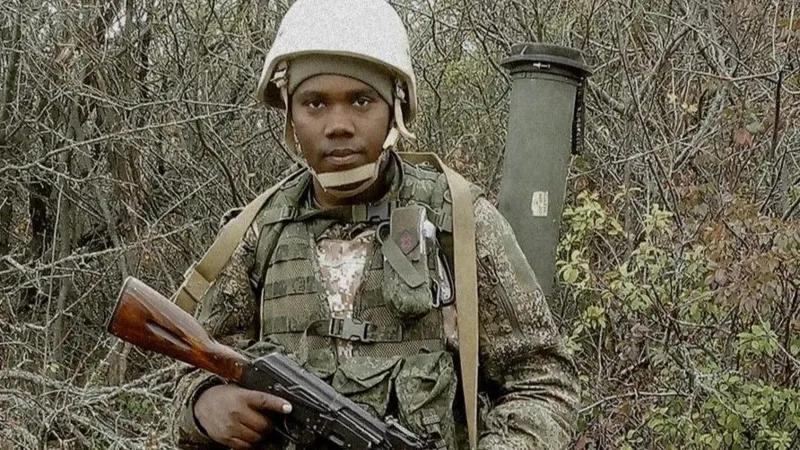
Recent reports indicate that over 1,000 Kenyan citizens have become involved in the ongoing Russia–Ukraine war, either by joining foreign armed groups or being recruited to fight in the conflict. This emerging phenomenon has raised serious concerns among families, civil society, and government authorities in Kenya, highlighting the risks faced by young people drawn into foreign conflicts and the broader implications for national security.
The Russia–Ukraine war, which began in February 2022, has become one of the deadliest conflicts in Europe since World War II. Its international reach has seen fighters from several countries, including Kenya, travel to Ukraine and neighboring regions. Families of those involved have expressed alarm, reporting missing relatives, injuries, or, in some tragic cases, deaths. The involvement of Kenyans in this conflict underscores the global dimension of modern warfare, where social media, recruitment networks, and personal motivations converge to draw individuals far from home.
The Kenyan government and diplomatic agencies have responded by attempting to track returning citizens and offer assistance to affected families. However, the covert nature of many of these enlistments makes it difficult to verify exact numbers or ensure the safety of those involved. Experts warn that young people who join such conflicts may face long-term psychological trauma, legal consequences, or difficulties reintegrating into society, particularly if they have engaged with foreign armed groups considered illegal or terrorist organizations.
Beyond individual risks, the phenomenon raises broader questions about governance, youth engagement, and the appeal of foreign conflicts. Analysts argue that economic challenges, social alienation, and the search for purpose drive some youth to dangerous environments abroad. This calls for a multifaceted response from the Kenyan government, including awareness campaigns, youth mentorship programs, and legal frameworks to prevent recruitment into conflicts overseas.
In conclusion, the reports of Kenyan nationals fighting in the Russia–Ukraine war highlight the urgent need for coordinated action to protect vulnerable citizens. While the allure of foreign battlefields may be fueled by a mix of ideology, adventure, or financial incentives, the consequences are real and often tragic. Kenya must prioritize awareness, support, and policy measures to safeguard its youth while engaging the international community to prevent recruitment and exploitation of its citizens in foreign conflicts.