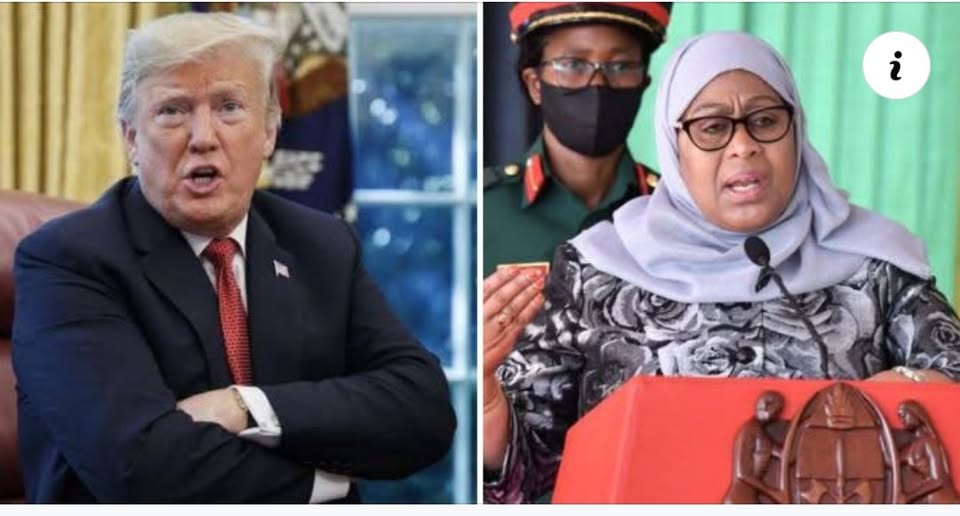
The United States has announced new travel restrictions that affect Tanzanian nationals, a move that has sparked concern and debate both regionally and internationally. The measures, introduced under policies associated with former U.S. President Donald Trump, place Tanzania among several countries facing tighter entry requirements as Washington seeks to strengthen immigration controls.
According to U.S. authorities, the restrictions are linked to concerns over visa overstays and challenges related to information-sharing and vetting processes. As a result, Tanzanian citizens may face limitations when applying for certain visa categories, particularly non-immigrant and immigrant visas. However, the measures are not an outright blanket ban, as exemptions are expected to apply to specific groups such as diplomats, permanent residents, and individuals whose travel is deemed to be in the national interest of the United States.
The announcement has generated mixed reactions. Some observers argue that the restrictions unfairly target developing countries and risk damaging long-standing diplomatic and people-to-people relations. Others contend that every sovereign nation has the right to regulate its borders and enforce immigration laws it considers necessary for national security and administrative efficiency.
For Tanzanians, the implications could be significant. The United States has long been a destination for education, business, tourism, and family reunification. Stricter entry rules may disrupt students seeking academic opportunities, entrepreneurs pursuing partnerships, and families hoping to reconnect across borders. There are also concerns that the policy could affect bilateral relations between the two countries, particularly in areas of trade, development cooperation, and cultural exchange.
The move has also reignited a broader conversation about global mobility and inequality. Critics note that travel restrictions often place a heavier burden on ordinary citizens rather than addressing systemic issues through diplomatic engagement and institutional reforms. They argue that collaboration with affected countries could offer more sustainable solutions than exclusionary policies.
As the situation unfolds, attention will turn to how the restrictions are implemented and whether diplomatic dialogue can lead to adjustments or clarifications. For now, the development serves as a reminder of how shifts in global politics and immigration policy can have far-reaching effects on individuals and nations alike.