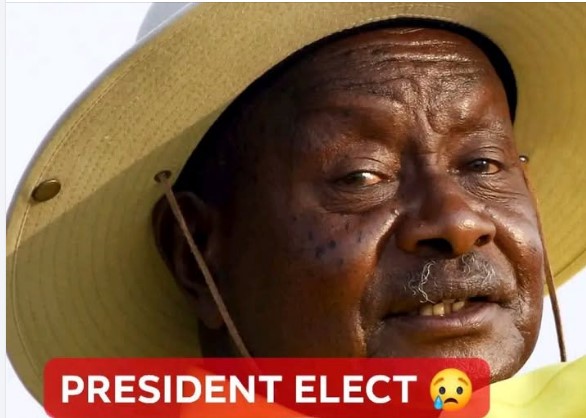
The question of whether Uganda should re-elect President Yoweri Museveni, now 86 years old and in power for over four decades, continues to spark intense debate both within the country and across Africa. Museveni’s long rule makes him one of the world’s longest-serving leaders, and his continued participation in elections raises important issues about leadership, democracy, stability, and generational change.
Supporters of President Museveni argue that his leadership has provided Uganda with relative stability after years of political chaos in the 1970s and early 1980s. When Museveni came to power in 1986, the country was emerging from civil war, economic collapse, and widespread insecurity. His government restored order, rebuilt state institutions, and pursued economic reforms that led to growth in sectors such as agriculture, infrastructure, and education. To many Ugandans, especially older generations, Museveni represents peace, experience, and continuity. In a region that has witnessed coups and violent transitions, his supporters believe that retaining an experienced leader helps prevent instability.
Another argument in favor of re-electing Museveni is national security. His government has successfully dealt with armed rebel groups, most notably the Lord’s Resistance Army, and has positioned Uganda as a key security partner in the region. Uganda’s involvement in regional peacekeeping missions has also strengthened its international standing. For those who prioritize security above all else, Museveni’s long experience is seen as an asset rather than a weakness.
However, critics strongly oppose the idea of re-electing Museveni after 40 years in power. They argue that such prolonged rule weakens democratic institutions and concentrates power in the hands of one individual. Regular leadership change is a key principle of democracy, allowing new ideas, accountability, and political renewal. The removal of presidential age limits and term limits is often cited as evidence that the political system has been adjusted to favor one person rather than the broader public interest.
Age is another major concern. At 86, questions arise about health, energy, and long-term planning for the country’s future. Uganda has one of the youngest populations in the world, with the majority of citizens under 30. Many young people feel excluded from political leadership and decision-making, despite facing high unemployment and economic uncertainty. To them, continued leadership by an elderly president symbolizes a disconnect between the government and the realities facing the youth.
Furthermore, critics point to concerns about shrinking democratic space, including restrictions on opposition parties, media freedom, and civil society. Allegations of election irregularities and state intimidation have led some Ugandans to doubt whether elections truly reflect the will of the people. In this context, re-electing a long-serving leader is seen not as a free choice, but as a symptom of deeper governance challenges.
The debate over re-electing President Yoweri Museveni goes beyond his age or years in power. It reflects a broader struggle between stability and change, experience and renewal, continuity and democratic growth. While some Ugandans value Museveni’s historical role and leadership experience, others believe the country’s future depends on opening space for new leaders and ideas. Ultimately, the decision lies with the Ugandan people and the strength of their democratic institutions to reflect their collective will.