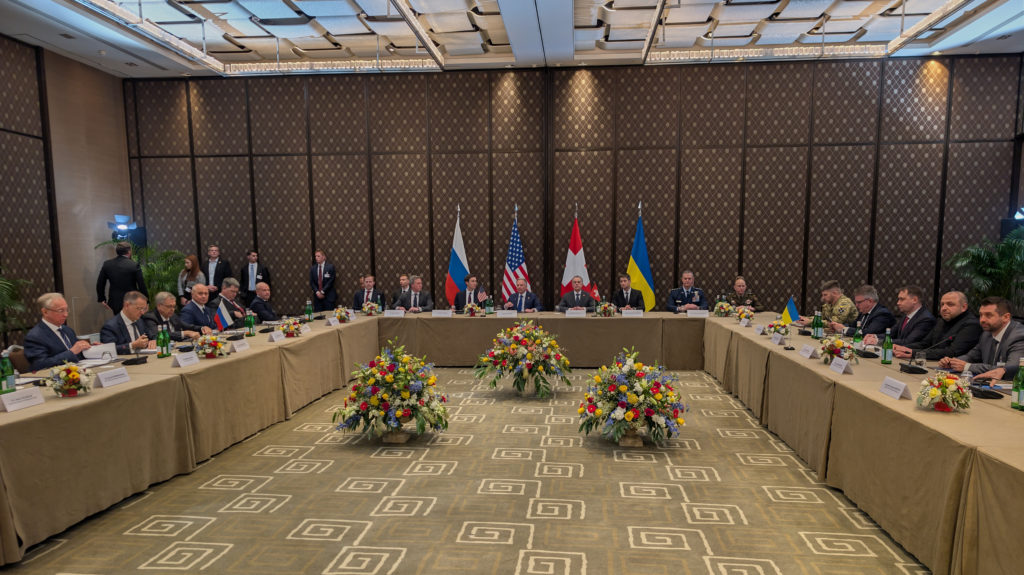
After almost four years of conflict following Russia’s full‑scale invasion of Ukraine in February 2022, Russian and Ukrainian officials met in Geneva, Switzerland, for another round of peace negotiations mediated by the United States. The talks, which took place on February 17–18, 2026, brought delegations from Moscow and Kyiv together with U.S. mediators in an effort to find common ground on political and military issues that have kept the war raging. Although the discussions were framed as an important diplomatic effort to end one of Europe’s deadliest conflicts in recent memory, progress has so far been limited and challenges have remained starkly evident.
The Geneva meetings were described as part of a third round of U.S.-brokered negotiations, with key figures such as U.S. Special Envoy Steve Witkoff and presidential advisor Jared Kushner playing leading roles. Both sides arrived with fundamentally different positions, particularly on territorial control and security guarantees. A central issue was the future of the eastern Ukrainian regions that Russia has occupied since 2014 and expanded control over since the full‑scale invasion began. Moscow’s insistence that Ukraine concede control of these areas and Kyiv’s steadfast refusal to cede sovereignty made any breakthrough difficult from the outset.
Ukrainian President Volodymyr Zelenskyy’s delegation emphasized the need for a long‑term ceasefire and robust security guarantees, with discussions also focusing on how ceasefire monitoring might be implemented in practice. However, both sides entered negotiations with deeply entrenched positions, and expectations for a major breakthrough were low. The talks were held just days before the fourth anniversary of the conflict, highlighting both the urgency many feel about ending the war and the stark reality that a diplomatic resolution remains elusive.
The atmosphere in Geneva was tense. Reports noted that the first day of discussions was lengthy and challenging, and that consultations extended across political and military working groups. U.S. mediators reported “meaningful progress” on certain practical issues, though the fundamental disagreements persisted. Talks continued into a second day, underscoring both sides’ commitments to keep dialogue open, even if substantive agreements have not yet been reached.
These negotiations are part of a broader pattern of U.S.-facilitated diplomacy. Earlier rounds of peace discussions — including meetings in Abu Dhabi involving military and diplomatic representatives — attempted to lay the groundwork for more detailed talks on issues like buffer zones and demilitarized areas. Yet despite these efforts, the core problems of mutual distrust, territorial disputes, and differing visions for Ukraine’s future have resisted resolution.
The ongoing conflict continues to have devastating consequences for civilians in Ukraine and beyond. Even as talks proceed, fighting and missile and drone attacks persist along the front lines, creating a grim backdrop for negotiations and reinforcing the urgent need for an enduring peace. The Geneva meetings illustrate both the complexities involved in reconciling opposing political demands and the broader international efforts to mediate an end to one of the most significant geopolitical crises of the 21st century.


