London is gearing up for a vibrant and meaningful celebration of women throughout March 2026, marking both International Women’s Day (IWD) on 8 March and Women’s History Month with a rich programme of events, talks, exhibitions and activities across the city. These events are designed to honour the achievements, resilience, creativity and leadership of women, girls, non‑binary and female‑identifying people — offering something for every interest and community.
One of the standout events at the beginning of the month is An Open Letter To My Younger Self at The Barbary in Notting Hill. In this inspiring conversation, retail businesswoman and broadcaster Mary Portas OBE will reflect on her career and share lessons for future generations, with proceeds supporting Change a Girl’s Life, a charity focused on empowering young women.
London’s community spaces are also playing a key role. At Poplar Union in East London, a series of programmes celebrates Women’s History Month with panel discussions on women building futures, the EmpowerHer market showcasing female makers and entrepreneurs, wellness workshops, and guided canal walks.
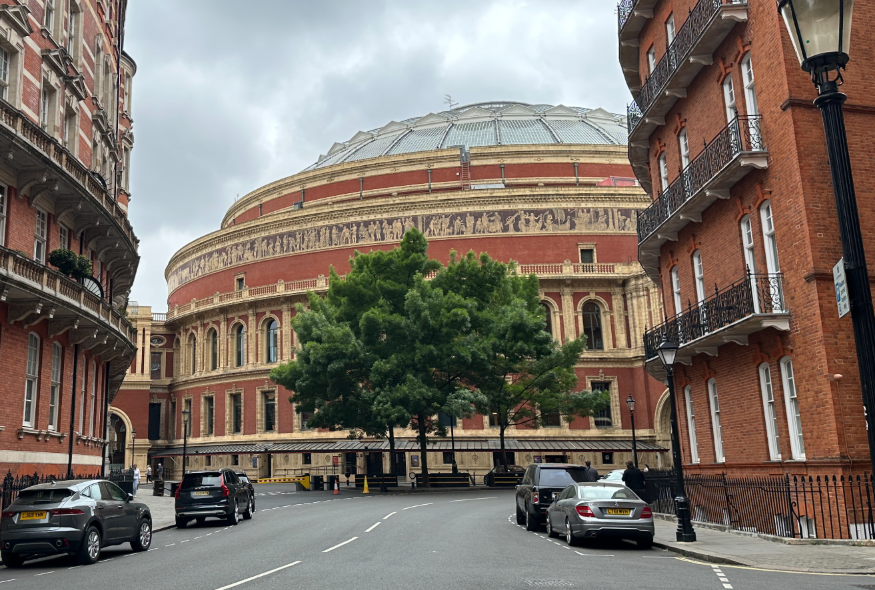
Art, culture and performance feature prominently in the month’s schedule too. The Royal Albert Hall will host a special International Women’s Day Concert on 8 March, highlighting female composers and world‑class performers. The Brady Arts Centre in Whitechapel will present the Women’s Spring Open Exhibition, spotlighting visual art from women creators throughout Tower Hamlets.
Beyond concerts and art shows, London stages events that celebrate women’s influence in unexpected spaces. Women in Jazz at the Southbank Centre brings live performances and insightful conversations with leading musicians, while the British Library’s Iranian Women’s Voices event offers film, poetry and discussion around women’s lived experiences and creative expression.
Historical reflection also plays a strong role in the month’s calendar. Threads of Liberation at Mile End Library explores the legacy of women’s rights activism in East London. Museums and galleries across the city are hosting talks on women in art history, including the National Gallery’s sessions on the groundbreaking work of women artists. Heritage walking tours — from Women of London to Warrior Women tours — literally walk participants through centuries of female history across iconic sites.
Even everyday city life gets marked by celebration: Transport for London (TfL) renamed a number of its cycle‑hire bikes after notable women cyclists, honouring both legendary Olympians and local heroes.
In all, London’s 2026 International Women’s Day and Women’s History Month events reflect a city embracing diversity, championing achievement and continuing the important work of understanding and celebrating women’s contributions throughout history and into the future. For anyone in the city or visiting in March, these events offer dozens of inspiring ways to meaningfully engage with the stories and voices of women.