Recently, Member of Parliament Ndindi Nyoro made headlines by reducing school fees in Kiharu to KSh 500 per term, a move that has drawn both praise and criticism. While many parents and students welcomed the initiative, some political figures, including Senator Junet Mohamed, have raised concerns about how such a policy is being implemented. Junet argued, “No Member of Parliament can build schools with the mere resources of 100 million if not a person who has access to bigger resources than anyone else!” This statement underscores a broader debate about the role of MPs in financing education and the limits of constituency funds.
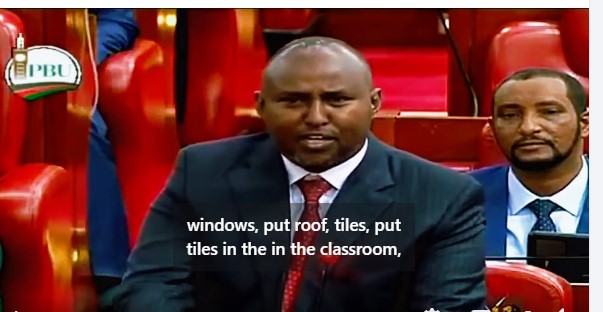
Ndindi Nyoro’s strategy, as explained by supporters like Senator Aaron Cheruiyot, reflects a careful balancing of local needs. In Kiharu, about 90% of teachers are employed by the Teachers Service Commission (TSC), which relieves schools of the financial burden of paying salaries. This allows Nyoro to redirect a portion of the constituency development funds—normally used for teacher support in other regions—toward reducing school fees and covering other urgent educational needs. In regions where schools rely heavily on Parent-Teacher Association (PTA) teachers, MPs’ allocations are crucial for salaries, making similar fee reductions more challenging.
Critics like Junet Mohamed, however, suggest that reducing fees to such a low level might be unsustainable without access to additional resources. They argue that MPs alone cannot bear the full financial responsibility of running schools or ensuring their quality, emphasizing the need for complementary support from national budgets, donors, or other sources. The debate highlights the tension between immediate community relief—helping families afford education—and the long-term sustainability of school financing.
The controversy surrounding Ndindi Nyoro’s fee reduction policy illustrates the challenges MPs face in addressing local educational needs. While innovative approaches, like leveraging TSC-employed teachers to free up funds, can make education more accessible, critics caution that such measures require careful planning to ensure schools remain sustainable. The conversation sparked by Junet’s comments underscores the need for a broader discussion on funding education in Kenya and the different strategies that can be applied in diverse regions.