George Ruto, son of William Ruto, has continued to make waves in Nairobi’s matatu industry, positioning himself among a new generation of investors transforming urban transport.
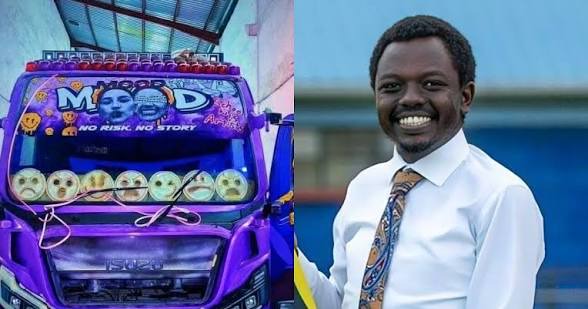
His fleet, known for operating within the city, stands out due to heavy customization and entertainment-driven features. Unlike ordinary public service vehicles, these matatus are fitted with powerful sound systems, large screens, ambient lighting, and stylish interiors—making them especially appealing to younger passengers and brands looking for mobile advertising platforms.
Reports indicate that George Ruto operates at least four matatus. Financial estimates suggest that a single unit can generate around KSh 20,000 daily on the lower end, rising to about KSh 30,000 on average days. During peak periods—such as weekends, holidays, or private bookings—earnings can surge to as much as KSh 80,000 per day per vehicle.
This means the combined daily income from the four matatus can vary widely:
- Around KSh 80,000 on slower days
- Approximately KSh 120,000 under normal conditions
- Up to KSh 320,000 during high-demand periods
A major factor behind this strong performance is the dual-purpose model of the vehicles. Beyond transporting passengers, they are often hired for private events, music video shoots, and brand promotions, creating multiple income streams.
However, entering this segment of the matatu business requires significant capital. Industry estimates place the cost of a fully customized unit at between KSh 13 million and KSh 14 million. Despite the high investment, the potential returns make it an attractive long-term venture when managed effectively.
George Ruto’s involvement highlights how innovation, branding, and entertainment are reshaping Kenya’s public transport sector—turning matatus into both cultural icons and profitable business assets.