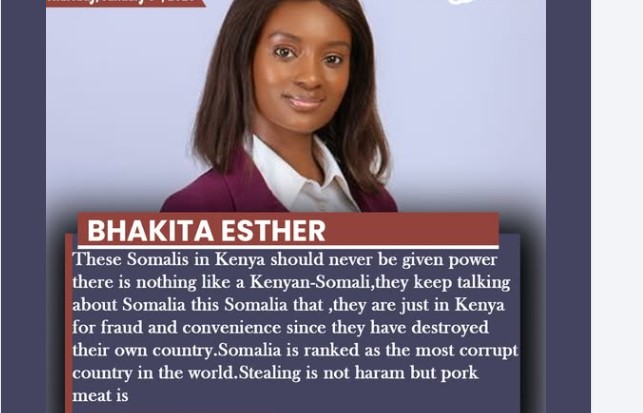
Recent remarks by a public figure criticizing certain communities in Kenya have sparked widespread debate online. While discussions about governance, accountability, and corruption are essential, framing them around ethnicity or nationality raises serious concerns about social cohesion and responsible discourse.
Kenya is a diverse nation, and public debates that single out communities can deepen divisions and distract from addressing real issues. Experts emphasize that corruption, fraud, or poor governance are problems that can affect any community and should be discussed in terms of policy, law enforcement, and individual accountability, not ethnicity or religion.
Statements like these highlight a recurring challenge in Kenya’s political and social conversations: the tension between freedom of expression and the potential harm of stereotyping. Leaders and citizens alike are urged to focus on facts, solutions, and ethical responsibility when discussing national issues. Public commentary that targets specific groups can erode trust, inflame tensions, and undermine efforts to build a unified and equitable society.
Ultimately, the controversy underscores the need for a shift toward informed, respectful debate that prioritizes problem-solving and national unity over division. By focusing on accountability, transparency, and civic responsibility, Kenyans can engage in meaningful discourse that strengthens democracy and addresses the country’s pressing challenges without marginalizing any community.