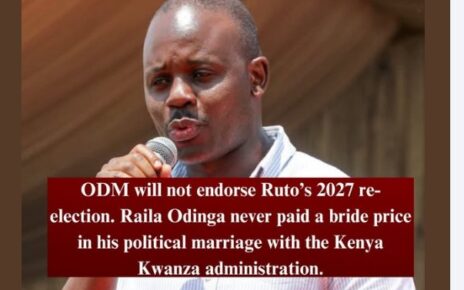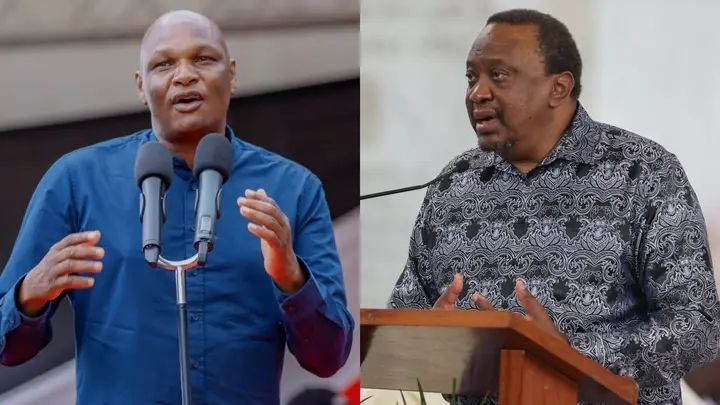
Political temperatures continue to rise after Farouk Kibet launched a sharp attack on former President Uhuru Kenyatta, accusing him of using allegedly stolen public funds to finance what he termed as “illegal meetings.”
In his remarks, Farouk warned that any misuse of public resources would not go unchecked, declaring that the government would take action if evidence of wrongdoing emerged. The strong wording immediately sparked reactions across the political divide, with supporters of the current administration backing the warning while allies of Uhuru dismissed it as political intimidation.
The exchange highlights the deepening rift between factions aligned to President William Ruto and those perceived to be close to the former Head of State. Since leaving office, Uhuru Kenyatta has occasionally resurfaced in political conversations, attending meetings and engaging with various leaders. Critics within the current regime often interpret such engagements as attempts to remain politically influential.
On the other hand, defenders of the former president argue that as a retired leader, Uhuru retains the constitutional right to freedom of association and political opinion. They maintain that attending meetings or engaging with citizens does not automatically amount to unlawful activity.
Farouk Kibet’s warning underscores a broader narrative that continues to shape Kenya’s political landscape — accountability versus political rivalry. Allegations of corruption, especially involving former office holders, tend to inflame public opinion. However, such claims require solid evidence and due process to avoid appearing as politically motivated attacks.
The situation reflects how post-presidency politics in Kenya remain highly charged. As the country moves closer to the next electoral cycle, statements like these are likely to intensify, with leaders positioning themselves and their allies strategically.
What remains crucial is that accusations of financial misconduct be handled through lawful investigative channels rather than public exchanges. In a democracy, institutions — not rhetoric — should determine the truth.