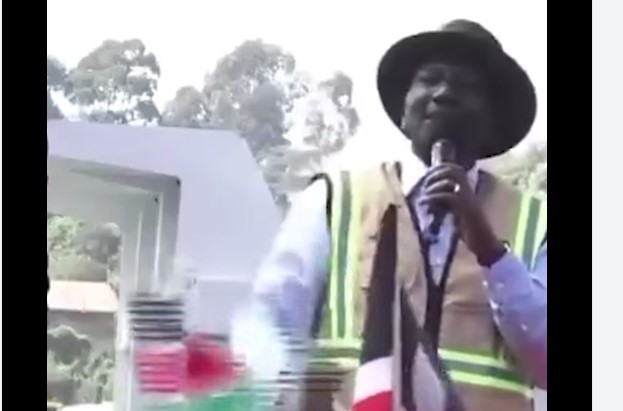
President William Ruto has once again stirred national conversation after boldly declaring that he has the ability to completely transform Kenya if given enough time. Speaking with confidence, the Head of State said that the progress his government has made within just two years is proof that his long-term vision for the country is realistic and achievable.
According to Ruto, meaningful development cannot be judged in short political cycles but through consistent planning, steady implementation, and patience from citizens. He argued that Kenya’s biggest problem has always been frequent political disruption, which resets national priorities every election cycle. The President believes that with continuity in leadership, his administration can deliver transformative change comparable to some of the fastest-growing economies in the world.
Ruto pointed to various ongoing projects—ranging from road construction, affordable housing, digital innovation, and modernization of agriculture—as evidence that his government has already laid a strong foundation. He insisted that despite criticism from the opposition and sections of the public, the reforms his government is undertaking will bear fruit in the near future. For him, the results achieved in two years should inspire confidence rather than doubt.
His remarks, however, have sparked mixed reactions among Kenyans. Supporters view the statement as a sign of determination and vision, praising the President for initiating long-term programs aimed at creating jobs, boosting productivity, and stabilizing the economy. They argue that Kenya needs a leader who thinks beyond five-year terms.
Critics, on the other hand, claim that the President is using long-term promises to avoid accountability for challenges currently facing the country—including the high cost of living, rising taxes, and persistent unemployment. Some Kenyans feel that while promises of future transformation are appealing, more immediate solutions to daily struggles are urgently needed.
Despite the debates, one thing remains clear: President Ruto is strongly positioning himself as a leader with a long-range blueprint for Kenya’s future. His declaration that two years of work already demonstrate his capability is not just a political statement—it is a message aimed at shaping the narrative ahead of the next elections.
As Kenya continues to evaluate his performance, conversations about leadership, development, and national direction will undoubtedly intensify. Whether Ruto will be granted the time he desires remains in the hands of Kenyan voters, but his confidence sets the stage for heated political discourse in the months and years ahead.