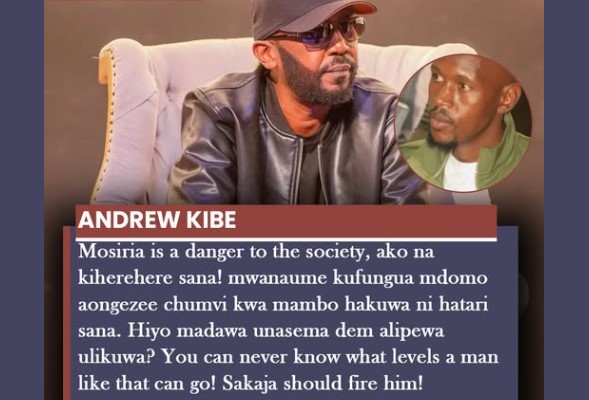
Andrew Kibe’s sharp criticism of Mosiria has ignited fresh debate around integrity, accountability, and responsibility among public officials. By accusing Mosiria of fabricating lies in the matter involving James Opande and Marion Naipei, Kibe positions himself as a whistleblower raising alarm over what he sees as dangerous misuse of authority and misinformation that could harm innocent individuals and the wider public.
Central to Kibe’s argument is the claim that Mosiria deliberately distorted facts surrounding the case. In an era where public opinion is heavily influenced by social media and fast-moving narratives, false or exaggerated claims by officials can have serious consequences. Such allegations, when made without verifiable evidence, risk damaging reputations, inflaming public anger, and undermining trust in institutions meant to uphold justice and fairness.
Kibe goes further to call on Nairobi Governor Johnson Sakaja to take decisive action by firing Mosiria. This demand reflects a broader expectation that leaders must be held to high ethical standards and be accountable not only for their actions but also for their words. From Kibe’s perspective, retaining an official accused of spreading falsehoods sends the wrong message to the public and normalizes reckless conduct in positions of influence.
The description of Mosiria as “a danger to society” underscores the seriousness of the accusation. Kibe suggests that when public officials allegedly fabricate narratives, they do more than mislead; they potentially endanger lives by provoking public hostility, mob justice, or long-term psychological harm to those involved. Such behavior, if proven, would contradict the core values of public service, which demand honesty, restraint, and respect for due process.
This confrontation also highlights the growing role of outspoken commentators and digital personalities in shaping political accountability. Figures like Kibe, though controversial, often amplify issues that might otherwise be ignored, forcing authorities to respond under public scrutiny. Whether his claims are substantiated or contested, they contribute to a wider conversation about truth, power, and responsibility in Kenya’s public discourse.
As pressure mounts, the response from Governor Sakaja’s administration will be closely watched. The situation presents an opportunity to reaffirm commitments to transparency and ethical governance, while also reminding public officials that credibility is earned through facts, not narratives shaped for convenience or personal gain.