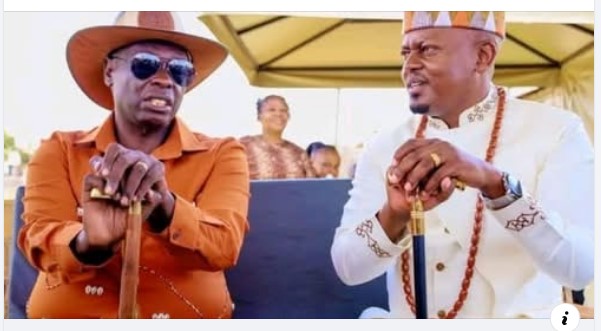
Rigathi Gachagua, leader of the Democracy for Citizens Party (DCP) and former Deputy President of Kenya, addressed a gathering in Gatundu South, Kiambu County, during a traditional dowry ceremony. In his speech, Gachagua combined cultural appeals with political promises, urging families in the Mt Kenya region to have more children and pledging comprehensive education reforms if he is elected president in the 2027 general election.
Gachagua’s call for larger families focused on strengthening demographic and political influence in the Mt Kenya region. He asked community members to consider having an average of six children per family, framing this as both a cultural and strategic imperative. According to his remarks, population growth in the region would reinforce unity and secure its future influence in national affairs. He linked this argument to cultural identity and traditional values, suggesting that larger families reflect resilience and community strength.
In addition to encouraging larger families, Gachagua outlined a policy vision centered on free education and maternal health support. He pledged that, if elected president, he would reinstate the “Linda Mama” maternal health program, which ensures free delivery care in public hospitals, and would work toward free primary and secondary education nationwide. These promises appear aimed at easing the financial burden on families and making it more practical to raise more children without fear of overwhelming costs.
His emphasis on education comes at a time when Kenya continues to debate funding and access within the education sector. Although free basic education remains a constitutional right, many parents still face indirect costs such as uniforms, development fees, and other levies. By promising to fully restore and strengthen free education, Gachagua positions himself as an advocate for families struggling with the rising cost of living.
However, his remarks have sparked debate across the political landscape. Critics question the practicality of encouraging larger families amid economic challenges, unemployment, and increasing household expenses. Others argue that national policy should prioritize economic empowerment and job creation before promoting population growth. Supporters, on the other hand, view his message as a call to cultural pride, unity, and long-term community strength.
The speech reflects the broader political environment ahead of the 2027 elections, where leaders are outlining distinct visions for Kenya’s future. By combining cultural messaging with social policy promises, Gachagua seeks to rally support in the Mt Kenya region while presenting himself as a candidate focused on family welfare and accessible education. Whether these proposals will resonate widely across the country remains to be seen as the political landscape continues to evolve.