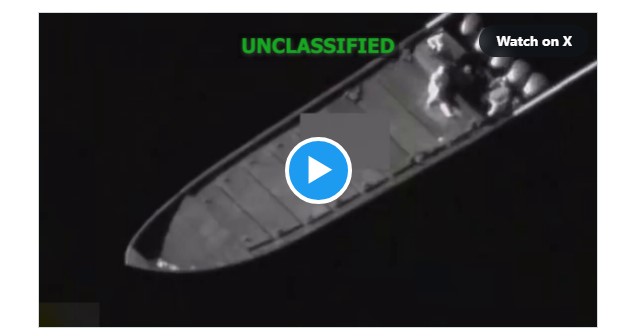
On February 18, 2026, the United States military carried out coordinated strikes against three vessels suspected of drug trafficking in the eastern Pacific and the Caribbean. According to officials, at least 11 individuals were killed during the operations. The strikes are part of ongoing U.S. efforts to disrupt international narcotics routes, which funnel illegal drugs into the United States and other regions, posing significant social and economic challenges.
The operations targeted boats believed to be transporting large quantities of illicit substances. While the specific type and amount of drugs intercepted have not been fully disclosed, these actions reflect the broader U.S. strategy to reduce the influence of organized crime networks involved in transnational drug trafficking. By using precise military operations, authorities aim to neutralize high-risk vessels while minimizing risks to civilians and nearby maritime traffic.
The U.S. military’s intervention underscores the complex challenges of combating international drug trade. Traffickers often exploit vast oceanic routes to transport narcotics, making maritime enforcement crucial. Such strikes are intended to both dismantle immediate threats and serve as a deterrent for future illicit operations. However, these missions also raise questions about the humanitarian and geopolitical implications of using military force in drug interdiction. Coordination with local governments, intelligence agencies, and international partners remains essential to ensure that operations are effective and legally compliant.
This incident also highlights the persistent threat that international drug trafficking poses to public health and safety. The United States has long struggled with domestic drug-related issues, and disrupting supply chains abroad is considered a key component in addressing these problems. Beyond enforcement, officials emphasize the importance of comprehensive strategies that combine law enforcement, education, treatment, and international cooperation to tackle the complex roots of drug abuse and trafficking.
U.S. military’s strikes on alleged drug trafficking vessels in the Pacific and Caribbean demonstrate a proactive approach to combating international narcotics operations. While immediate results include the elimination of high-risk vessels and individuals involved, the broader goal remains a reduction in global drug trafficking and its impact on communities worldwide. Such interventions illustrate the challenges and responsibilities nations face in addressing transnational crime while balancing strategic, legal, and humanitarian considerations.