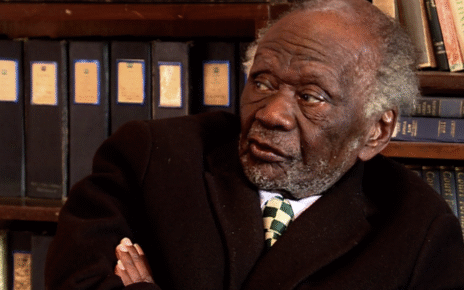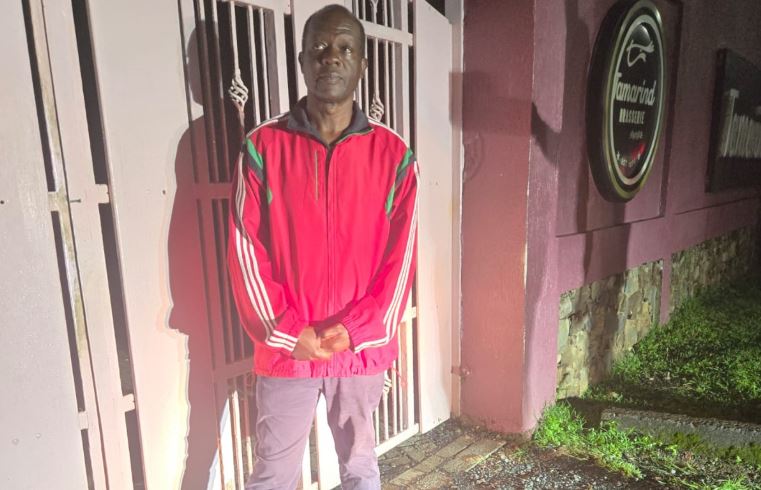
In a development that has rocked Kenya’s political landscape, the Directorate of Criminal Investigations (DCI) concluded that former Cabinet Secretary Raphael Tuju staged his own abduction, wasting significant state resources in the process. This revelation came during a press briefing on March 23, 2026, where DCI Director Amin Mohamed announced that forensic evidence and intelligence placed Tuju inside his Karen residence throughout the period he claimed to be missing.
According to Director Mohamed, the timeline presented by Tuju and his associates “does not hold up” against corroborated evidence. Surveillance footage, forensic tracking, and intelligence all indicated that Tuju remained at home on March 21, 2026, the exact day he allegedly disappeared. Mohamed noted that Tuju only resurfaced when it became clear that investigators were closing in on the truth, confirming suspicions that the incident was “a carefully staged disappearance rather than a genuine case of abduction.”
The DCI criticized the incident as a serious abuse of public institutions, emphasizing that specialized personnel, round-the-clock surveillance teams, and advanced forensic analysts were all deployed to investigate a disappearance that may never have occurred. Mohamed suggested that the act may have been motivated by a desire to gain political sympathy or influence ongoing legal proceedings, describing the event as “a deliberate attempt to mislead the Kenyan public, misdirect law enforcement resources, and undermine confidence in the institutions tasked with protecting our citizens.”
Tuju, however, maintains a different narrative. He claims that a suspicious white Toyota Land Cruiser without number plates had been following him, prompting him to go into hiding for his safety. His vehicle was later found abandoned on Miotoni Lane, with hazard lights still on, leading political allies—including Governor James Orengo—to raise concerns about a potential kidnapping. Tuju’s legal team, led by former Vice President Kalonzo Musyoka, insists that the former CS genuinely feared an abduction and argues that the DCI’s actions amount to “state-sponsored harassment” related to ongoing legal disputes.
Tuju was arrested at Karen Police Station shortly after resurfacing and may face charges of providing false information to a public officer and causing public alarm. The arrest reportedly aggravated a pre-existing back injury, leading to a medical intervention at the station. Political allies resisted attempts to move Tuju to an undisclosed location before his official statement was recorded.
Investigators are also examining whether the alleged abduction was intended to stall legal proceedings in a KSh 3.5 billion property dispute involving the Dari Business Park and the East African Development Bank (EADB). Police have been present at Tuju’s business premises for over a week, and authorities suspect the staged disappearance may have been designed to divert attention or gain time in the ongoing legal battle.
The Raphael Tuju saga highlights a complex intersection of politics, law, and public accountability. While the DCI presents strong evidence suggesting a staged incident, Tuju maintains he acted out of fear for his life. Beyond personal safety, the case underscores the heavy burden false claims can place on law enforcement resources and public trust, illustrating the importance of integrity and transparency, particularly for high-profile public figures.