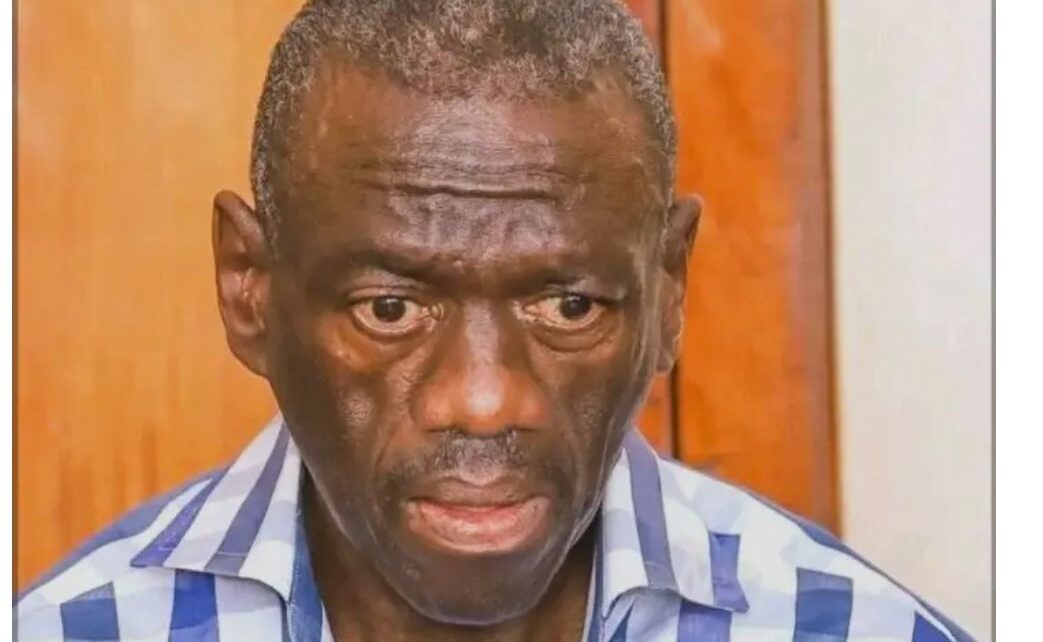
Concerns are mounting over the health of veteran Ugandan opposition leader Dr. Kizza Besigye, who has been detained since November 2024. His wife, Winnie Byanyima, the Executive Director of UNAIDS, has described his condition as “worrying” and potentially life-threatening, following recent visits and reports of sharp deterioration.
Besigye, a 69-year-old four-time presidential candidate and longtime critic of President Yoweri Museveni’s government, faces treason charges that he and his allies claim are politically motivated. Byanyima told Reuters that her husband fell ill in custody, exhibiting symptoms including high temperature, severe stomach pain, dehydration, intense leg pain, weakness, limited food intake, and inability to walk. She reported that he was extremely frail, shaking, and suffering from what a doctor suspects may be a bacterial infection, with lab results indicating worsening over recent days.
In statements shared on social media and in interviews, Byanyima accused authorities of denying him timely and adequate medical care, including access to independent or personal doctors. She demanded his immediate release or transfer to a fully equipped hospital for proper treatment, arguing that continued detention under harsh conditions—reportedly including solitary confinement, limited sunlight, and poor facilities—has exacerbated his decline. Besigye missed a recent court appearance due to his illness, leading to a postponement.
His party, the People’s Front for Freedom (PFF), raised the alarm after he was reportedly rushed overnight from Luzira Maximum Security Prison to a medical facility in Bugolobi under heavy security for treatment before being returned to prison. The party described his health as having reached a “critical and deteriorating state” and called for unrestricted family and doctor access.
Opposition figures, including National Unity Platform leader Bobi Wine, expressed solidarity, condemning the situation as part of broader repression against government critics. They urged regional and international intervention to prevent further authoritarian drift in Uganda.
The Uganda Prisons Service has denied that Besigye’s condition is dire, characterizing medical visits as routine check-ups and insisting detainees receive adequate care. However, rights groups and family dispute these claims amid ongoing international scrutiny of human rights abuses, opposition arrests, and curbs on political freedoms in the country.
Supporters warn that Besigye’s health must not become a casualty of political tensions, emphasizing the urgent need for humanitarian consideration in his case.