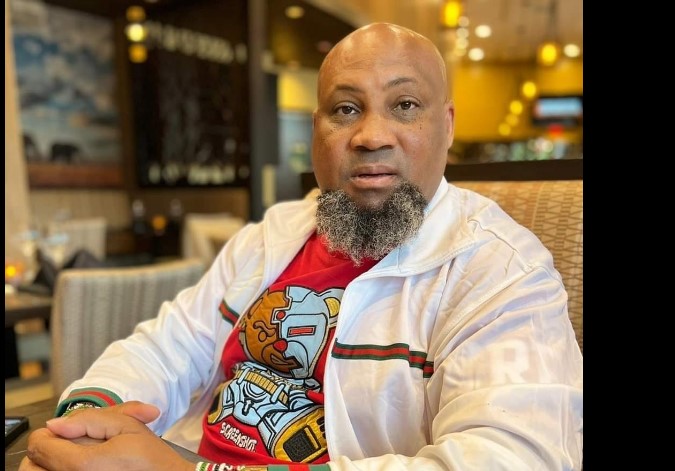
The call by Cosmo Choi demanding the arrest of Rigathi Gachagua highlights the rising tension in Kenya’s political discourse, where strong opinions and public pressure often collide with legal processes.
While such statements may reflect frustration or belief in alleged wrongdoing, calls for arrest cannot be based on public sentiment alone. In a constitutional democracy, any action against an individual—especially a high-ranking public official—must follow due process. This means investigations, credible evidence, and decisions made by independent institutions such as the police, the Director of Public Prosecutions, and the courts.
Public figures and commentators have the right to express their views, but when it comes to serious allegations, responsibility is key. Declaring that “evidence is enough” without legal verification risks spreading misinformation or prejudicing ongoing or potential investigations. It can also influence public opinion in ways that may not align with facts established in court.
At the same time, such remarks point to a broader issue: growing public demand for accountability. Kenyans increasingly expect transparency and consequences where wrongdoing is proven. This pressure can be a positive force when it pushes institutions to act decisively and fairly—but it must remain grounded in law, not emotion.
The situation underscores a critical balance. On one hand, citizens and commentators should not remain silent on matters of public concern. On the other, justice must be handled through proper legal channels to ensure fairness and prevent abuse.
Ultimately, accountability is essential, but it must be pursued through evidence, lawful procedure, and independent judgment—not through public declarations alone.