
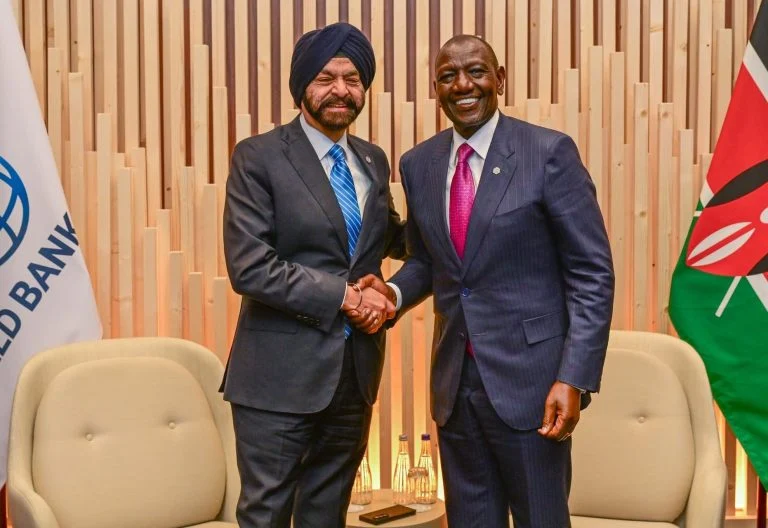
The government is under pressure to clean up its payroll system as it works to secure KSh94 billion in funding from the World Bank.
The money is tied to reforms aimed at removing ghost workers and other irregularities from government payrolls. The reforms are part of the World Bank-backed Eighth Development Policy Operation (DPO 8), which is the final phase of the current programme.
The government has been required to harmonise human resource and payroll records across national and county governments and other public institutions.
It will also introduce unified payroll numbers and clean up county payrolls using findings from the Auditor-General.
A forensic audit previously uncovered suspected payroll fraud worth KSh6.2 billion. More than 17,000 suspected ghost workers were also identified across different government institutions.
The audit further revealed cases involving forged identification records, duplicate salary payments and suspicious bank account details.
The matter has now moved to the criminal investigation stage. The Public Service Cabinet Secretary handed the audit reports to the Directorate of Criminal Investigations for further action.
The DCI has said it will verify personnel numbers used in government payrolls, examine unauthorised changes to records and investigate irregular payments.
The government has also set a one-month deadline for ministries, departments, agencies, state corporations and county governments to move to the Human Resource Information System.
Institutions that fail to comply could have their salary payments suspended until they join the system.
The new system is expected to allow closer monitoring of payroll transactions, regular payroll audits and quarterly compliance reports.
Treasury Cabinet Secretary John Mbadi held talks with World Bank officials on September 2 to review the progress of the reforms.
Treasury said it would work with the World Bank and other agencies to address delays and complete the outstanding reforms within the DPO 8 timeline.
The cleanup comes as Kenya continues to face pressure over its growing public wage bill. The national wage bill is estimated at about 40.4 per cent of government revenue, above the statutory 35 per cent limit.
County governments are also facing wage-bill pressures, with only a small number having met the required threshold.
The World Bank funding is considered important to Kenya as the country continues to deal with heavy debt and limited external financing options.
Kenya expects to receive up to KSh151.2 billion from the World Bank during the 2026/2027 financial year through different financing programmes.
The government therefore faces a major test: complete the required reforms and unlock the KSh94 billion, or risk losing access to an important source of funding.