
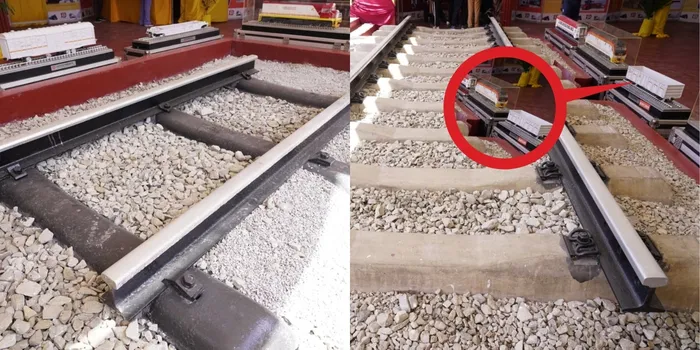
Kenya Railways has explained the purpose of the unusual rectangular structures that passengers often see along the Standard Gauge Railway (SGR) line.
The structures have attracted public curiosity because their shape can resemble coffins when viewed from a distance.
Kenya Railways explained that the structures are part of the railway infrastructure and are used in connection with the Madaraka Express trains.
Some of the structures are box culverts built into railway embankments. They provide passages for water from streams, seasonal rivers and rainwater to safely pass underneath the railway line.
The drainage structures are important because uncontrolled water can weaken the soil supporting the railway tracks and cause serious damage to the rail infrastructure.
Similar structures are also used in areas where the railway passes over or through elevated sections.
In conservation areas, the railway infrastructure also includes passages that allow animals and livestock to safely move underneath the tracks. This helps reduce the risk of animals coming into contact with trains.
The explanation was given as Kenya Railways showcased various features of the country’s railway network during the Mombasa ASK Show.
The exhibition also highlighted the difference between Kenya’s Standard Gauge Railway and the older Meter Gauge Railway.
Meanwhile, Kenya’s railway network is expected to expand further, with plans for the Naivasha-Kisumu-Malaba SGR project.
The National Land Commission has issued notices concerning the compulsory acquisition of additional parcels of land for the planned railway project.
The proposed expansion is expected to extend the SGR network and strengthen railway transport across western Kenya.
The explanation from Kenya Railways has therefore cleared up some of the mystery surrounding the unusual structures seen along the country’s modern railway lines.