
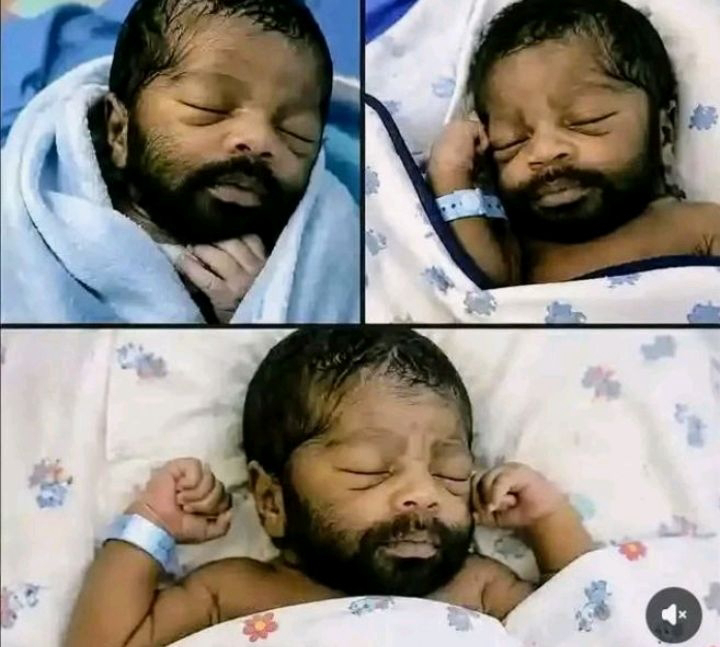

A disturbing video circulating on social media has sparked outrage after an African mother was allegedly seen mocking her baby over his unusual appearance before reportedly attempting to abandon him in a ditch said to be full of ants.
The heartbreaking footage has left many social media users questioning how a mother could allegedly treat her own innocent child in such a cruel manner simply because of his appearance. Watch Video
In the video, the woman is seen carrying the baby while making disturbing remarks about him. She allegedly tells the child that he is not a blessing but a curse because of his unusual physical appearance.
The situation becomes even more disturbing when the woman allegedly approaches a deep ditch and appears ready to leave the baby there.
However, before she could allegedly carry out the act, another person reportedly appears and shouts at her, apparently forcing her to stop what she was doing.
The baby, who appears helpless and unaware of what is happening, is seen with unusually long hair on his face, which the woman allegedly refers to while mocking him.
According to claims accompanying the video, the woman was later arrested after the incident.
The footage further claims that the baby was taken to a hospital, where a doctor allegedly explained that the child’s unusual appearance could be linked to a rare skin condition that causes excessive hair growth.
The condition is sometimes associated with a rare disorder known as hypertrichosis, although the exact medical condition affecting the child cannot be confirmed from the video alone.
The incident has triggered strong reactions online, with many people condemning the alleged treatment of the innocent baby and calling for authorities to ensure his safety.
Some social media users have also called for the child to be placed under proper care while investigations into the alleged incident continue.
Many viewers argued that a child’s unusual appearance should never be a reason for mistreatment, abandonment or discrimination, urging parents and communities to seek medical assistance rather than resorting to harmful actions.