
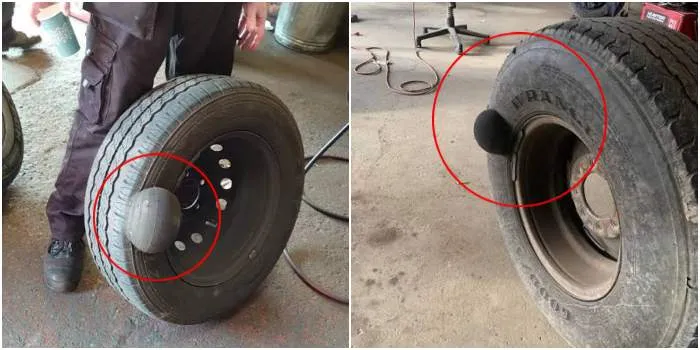
Motorists have been warned to take tyre sidewall bulges seriously, as the damage can weaken a tyre and increase the risk of failure while driving.
A sidewall bulge appears as a visible swelling or bubble on the side of a tyre. It usually indicates that the internal structure of the tyre has been damaged.
Experts say one of the common causes is hitting potholes, stones, kerbs or other obstacles on the road. A strong impact can damage the internal cords supporting the tyre even when there is no obvious puncture.
Driving with low tyre pressure can also contribute to damage. Under-inflated tyres flex more than they should, putting additional stress on the sidewall and other parts of the tyre.
In some cases, a bulge can result from a manufacturing defect, although such cases are considered less common.
The main concern is that a damaged sidewall can eventually lead to tyre failure while the vehicle is moving. The risk can be particularly serious when driving at higher speeds.
Experts therefore advise motorists to regularly inspect their tyres for unusual bulges, cuts, cracks and other visible damage.
A tyre with a sidewall bulge should not simply be treated as a minor cosmetic problem. The damage can affect the tyre’s structural strength and should be assessed by a qualified tyre professional.
Motorists should also maintain the recommended tyre pressure and avoid overloading their vehicles, as both proper inflation and correct loading help reduce unnecessary stress on tyres.
Regular tyre checks are especially important when driving on roads with potholes or other rough surfaces, where impacts can damage tyres without immediately causing a puncture.
Experts emphasise that identifying tyre damage early can help motorists avoid more serious problems and improve road safety.